
Reducing Impact
Reducing Impact
Crowley focus on practical actions that improve efficiency and safety, reduce emissions intensity and strengthen energy reliability across the supply chain. In 2025, this included modernizing assets, optimizing freight movement, investing in energy-efficient infrastructure and using data-driven assessments to guide future decision-making.
Discover how we drive performance, safety and reliability.
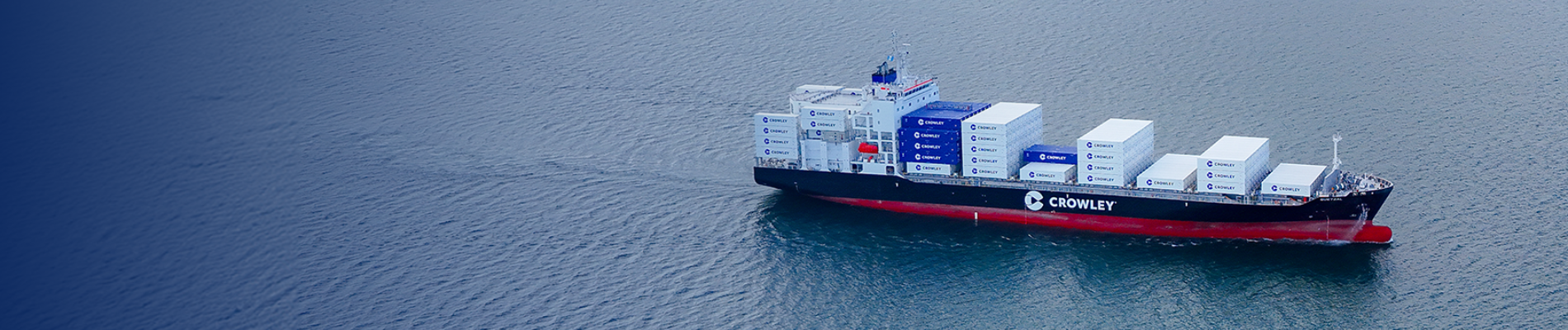
In 2025, Crowley continued to expand its liquefied natural gas (LNG) shipping capabilities, expanding LNG service across key routes that resulted in greater energy reliability. In Central America, the company placed four new-build LNG‑powered containerships into service, increasing capacity while expanding LNG‑powered vessel operations into new markets. These investments reduced emission intensity and air pollutants compared to conventional marine fuels, reflecting Crowley’s focus on fleet modernization and strong operations.
In Puerto Rico, Crowley marked a milestone with American Energy, the first U.S.-flagged LNG carrier to regularly serve the island. In its first year of operation, the vessel transported more than 500 million gallons of LNG, supporting power generation and energy continuity while delivering up to 23% fewer greenhouse gas (GHG) emissions (well-to-wake), and drastically fewer air pollutants compared to conventional marine fuels. American Energy also contributed to strengthening the U.S. mariner workforce by employing 90 U.S. mariners, including 16 cadets and apprentices, with nearly 20% from Puerto Rico, helping to expand maritime career pathways and strengthen the island’s skilled workforce.
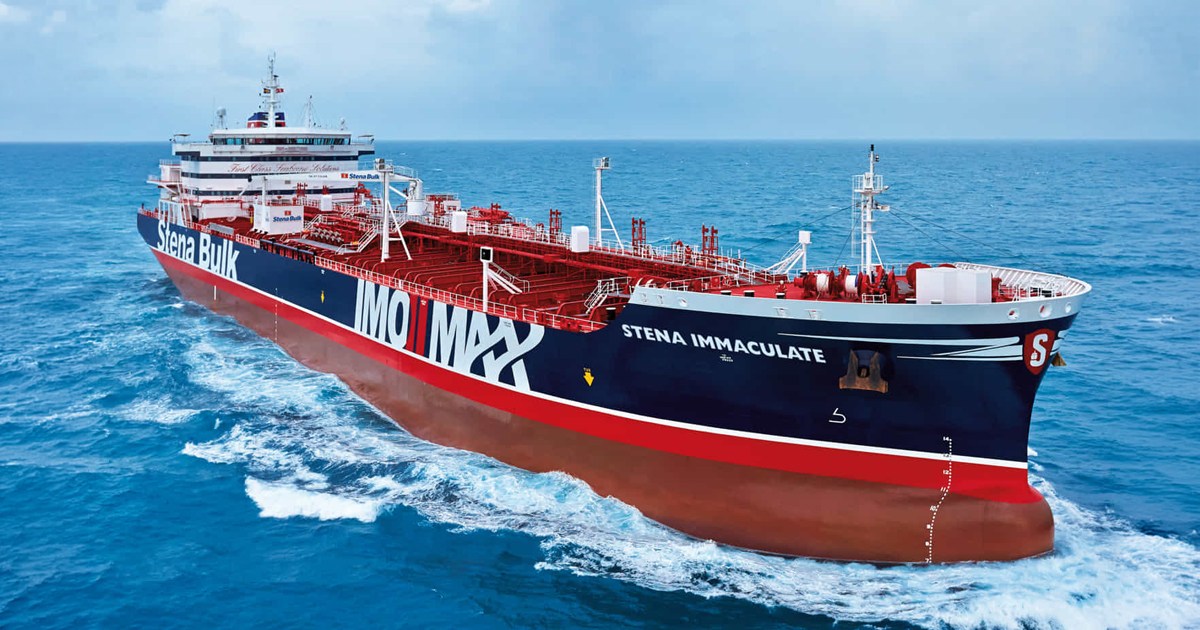
On March 10, 2025, the Stena Immaculate, a Crowley-operated tanker, was struck by another ship while at anchor in the North Sea, resulting in a fire and other damage that required the crew to evacuate. Crowley its emergency response plan, coordinating across shipboard and shoreside teams to prioritize mariner and environmental safety. Working with partners and regulators, the response was managed through coordinated efforts in the North Sea and across Crowley’s U.S. operations.
Following this significant allision, Crowley used a deliberate, transparent review process consistent with its safety improvement practices. Rather than focusing solely on outcomes, our teams examined how work is done in real conditions, how decisions are made under pressure and how company practices affect safety. Insights from this learning process have been incorporated into our operations through key improvements in training, emergency preparedness and risk awareness.
By applying these lessons as preventive measures across our fleet and shoreside teams, Crowley continues to strengthen its ability to anticipate and manage risk. This approach prioritizes preparation, consistency and accountability, while maintaining a safety culture that encourages speaking up and learning before blame.
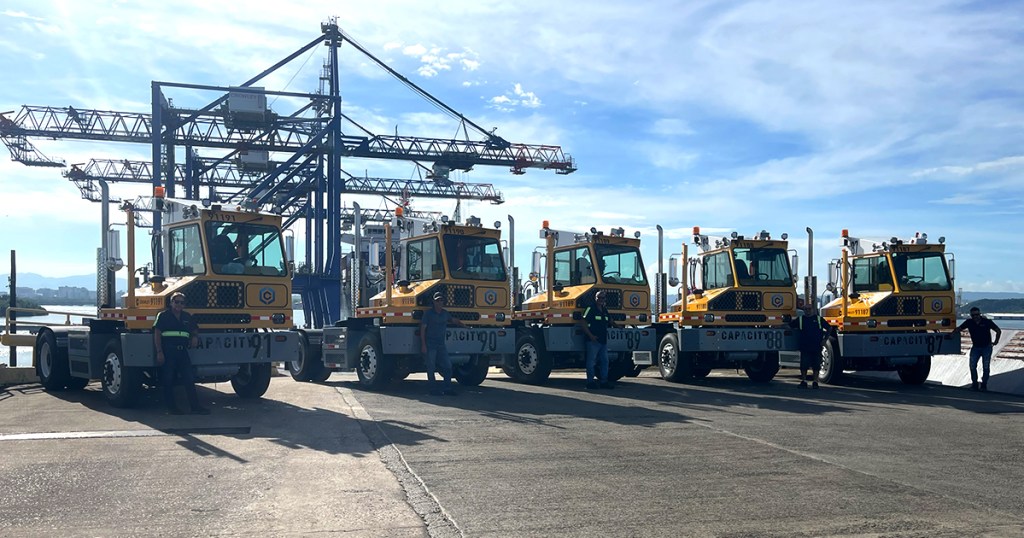
In 2025, the company invested in fleet modernization across Central America and the United States. A $5 million expansion of hybrid vehicles and Tier 4 terminal tractors improved fleet efficiency and reliability. These upgrades delivered efficiencies and enhanced operational performance while helping improve local air quality.
Crowley also strengthened its evaluation of electric equipment through rigorous testing, followed by a standardized scorecard focused on safety, performance, economics, telematics data and driver feedback. Results established a consistent baseline to inform future deployment decisions. An all-electric Mobile Service Unit was deployed to support maintenance in Jacksonville while producing zero tailpipe emissions over a 272-mile range.
Infrastructure investments continued with renovations at our Port Everglades, Florida, terminal, improving energy efficiency. In parallel, environmental permitting for a microgrid at the Isla Grande Terminal in San Juan, Puerto Rico, was finalized. The microgrid will provide reliable, cleaner power for terminal operations and electric equipment.
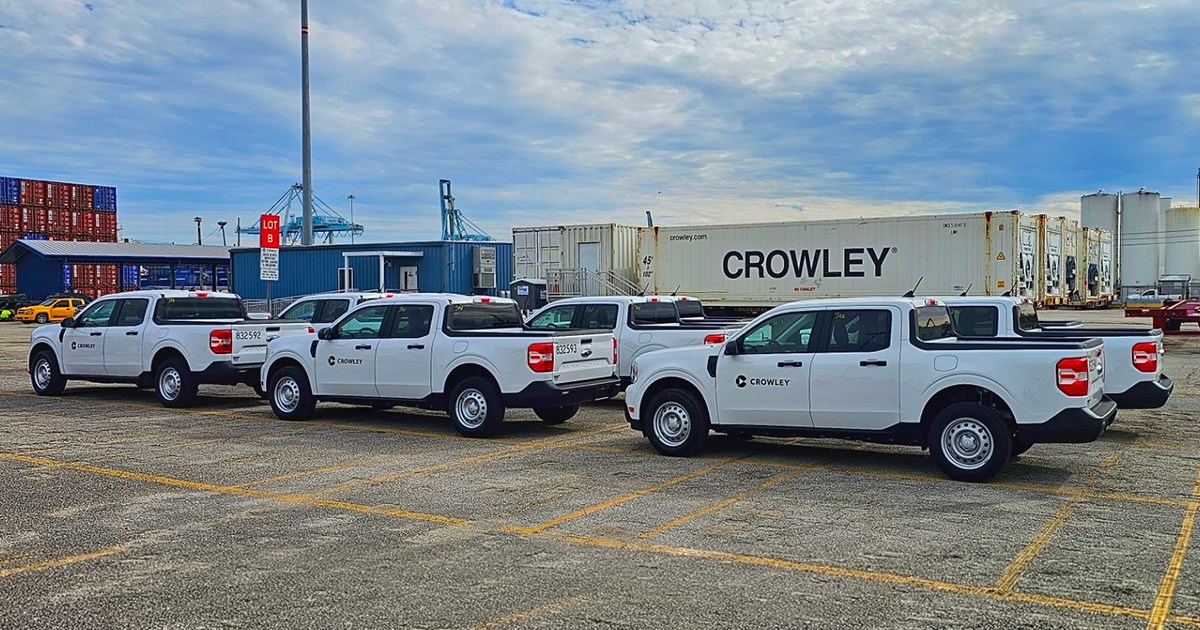
In 2025, Crowley expanded its focus on energy efficiency by completing the American Society of Heating, Refrigerating and Air‑Conditioning Engineers (ASHRAE) Level II energy audits at two high‑energy‑use facilities. The assessments covered major Crowley port operations and their supporting activities, as well as two nearby temperature‑controlled warehouse facilities.
The audits reviewed energy use and system operations to identify opportunities to improve efficiency. The findings are being used to guide future investments and operational decisions that can reduce energy use over time.
Crowley also joined the U.S. Department of Energy’s Better Plants program in 2025, becoming the program’s first maritime and logistics participant. This partnership supports Crowley’s strategic approach to building knowledge of energy performance and applying best practices to improve efficiency.
Resources
Click below to download our 2025 sustainability disclosures.
Careers Built on Performance and Safety
Work with teams who value performance, safety and operational excellence. At Crowley, your skills help keep goods and energy moving reliably and responsibly across industries and communities.