Partnerships Are Helping Narrow the Mariner Shortage
Key Facts:
- Crowley employs about 2,000 shipboard employees across its maritime operations, supporting critical supply chains and vessel services.
- In 2025, Crowley awarded 19 Thomas B. Crowley Sr. Memorial Scholarships, continuing an investment that now exceeds $4 million.
- Through its partnership with Junior Achievement, Crowley introduced more than 1,700 students to maritime careers through classroom sessions, career panels, and terminal tours.
- Industry collaboration on credentialing and training is helping qualified U.S. mariners reach sea service more efficiently while maintaining safety and professional standards.
- Crowley reduced unfilled mariner roles by 60% over the past two years, lowering the still-important gap to its best level since tracking began in 2020.
For years, the mariner shortage has challenged the maritime industry and strained operations across the U.S. fleet. It is a complex, long-term issue with no single cause and no quick fix.
Today, solving the mariner shortage is in its infancy. But the path to sustained success is clear. Sustained, multiyear collaboration across industry, labor and policymakers can result in progress. While it is not automatic or permanent, history shows that when attention shifts or policies fragment, workforce gains can reverse.
Steady Progress, Built Over Time
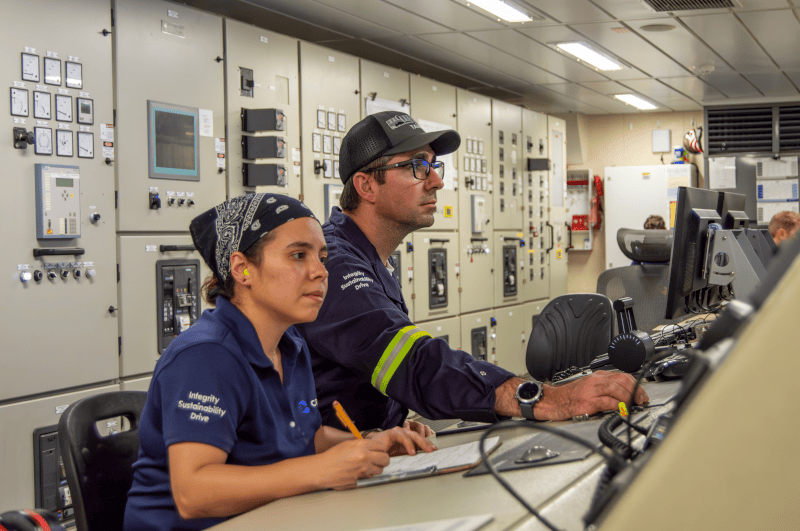
From an operational standpoint, the number of unfilled and hard-to-fill mariner roles has declined at Crowley. In 2025, staffing reached the fewest gapped positions across all fleets since tracking began in 2020, representing a 60% reduction over the past two years.
While long-term solutions are still needed, the result is more stability across our footprint and the services our customers rely on. It also reflects coordinated mariner workforce development, addressing bottlenecks to improve access to maritime careers without lowering standards.
What Actually Worked
Partnerships Helped Expand Pipelines
One of the most persistent drivers of the mariner shortage has been awareness, not just of open roles, but of what maritime careers look like and how people enter them.
Across the industry, employers, labor organizations and training institutions have shifted from isolated recruiting to a shared responsibility for workforce development. At Crowley, this includes consistent collaboration with all of our labor partners, such as the Seafarers International Union and American Maritime Officers, alongside expanded outreach to educators and communities.
One example is how Crowley and partners have leaned into early education and educator partnerships, participating in the American School Counselor Association annual convention. Engaging directly with school counselors helps ensure maritime careers are part of the conversation alongside more familiar career paths, especially for students with little exposure to the industry.
To support those conversations, Crowley developed a plain-language mariner career guide designed for educators, students and families. Rather than recruiting, its purpose is to translate the maritime industry, credentials and roles into clear, relatable terms. When people can understand how a career works and where it can lead, they’re more likely to consider it.
“Beyond academy recruiting, one of the most important long term investments is introducing younger students to the maritime industry early,” said Marisa Cap, a former Crowley chief engineer and now an American Maritime Officers representative. “By increasing awareness at the high school level and supporting apprenticeship programs and maritime academies, we can build a stronger pipeline of future mariners and show young people that there are stable, rewarding careers waiting for them once they become qualified.”
Policy That Supports Long‑Term Stability
The mariner shortage is cyclical by nature, tightening and easing with economic, geopolitical and industry shifts. Short-term fixes may provide relief, but they do not build the resilient mariner workforce the nation needs.
That is why policy alignment matters as an enabler of employment readiness. In recent years, industry and government collaboration has focused on streamlining and prioritizing credentialing and training processes. One positive change is harmonizing international and domestic service requirements for obtaining an able-bodied seaman endorsement. The goal is simple: help qualified U.S. mariners reach sea service more efficiently while maintaining safety and standards.
The U.S. Jones Act, along with other policies and programs, remains foundational. By supporting a strong U.S. flag fleet and a domestic mariner workforce, the Jones Act reinforces the long-term viability of maritime careers and the supply chains they sustain. For Crowley, one of the largest employers of U.S. mariners, this stability is essential.
“There’s no one silver bullet for a challenge like this,” said Crowley’s Ira Douglas, vice president, labor relations. “But when industry partners commit to the long game, the results have a ripple effect on people and their livelihoods. For Crowley, the progress we’re seeing is a trendline, not a finish line.”
Clearer Entry Points for Broader Reach
Awareness alone is not enough to address the mariner shortage. Through industry and legislative collaboration, pathways into the profession, particularly for entry-level and unlicensed roles, have become clearer and more efficient.
Clear entry points turn interest into action.
“Scholarships have long been one of the clearest entry points into maritime careers,” said Jim Bender, Crowley’s director of culture and communities and workforce strategy. “They help lower barriers and provide continuity as people move from interest to qualification.”
In 2025, Crowley awarded 19 Thomas B. Crowley Sr. Memorial scholarships, continuing an investment that now exceeds $4 million. Through its continued engagement with the U.S. maritime academies and other academic maritime programs, the company extended its workforce development outreach beyond traditional maritime hubs, reaching new geographies where interest and aptitude exist or can grow.
Additionally, by partnering with Junior Achievement, Crowley exposed more than 1,700 students to maritime careers through career panels, classroom sessions and terminal tours.
Why Maritime Careers Continue to Matter
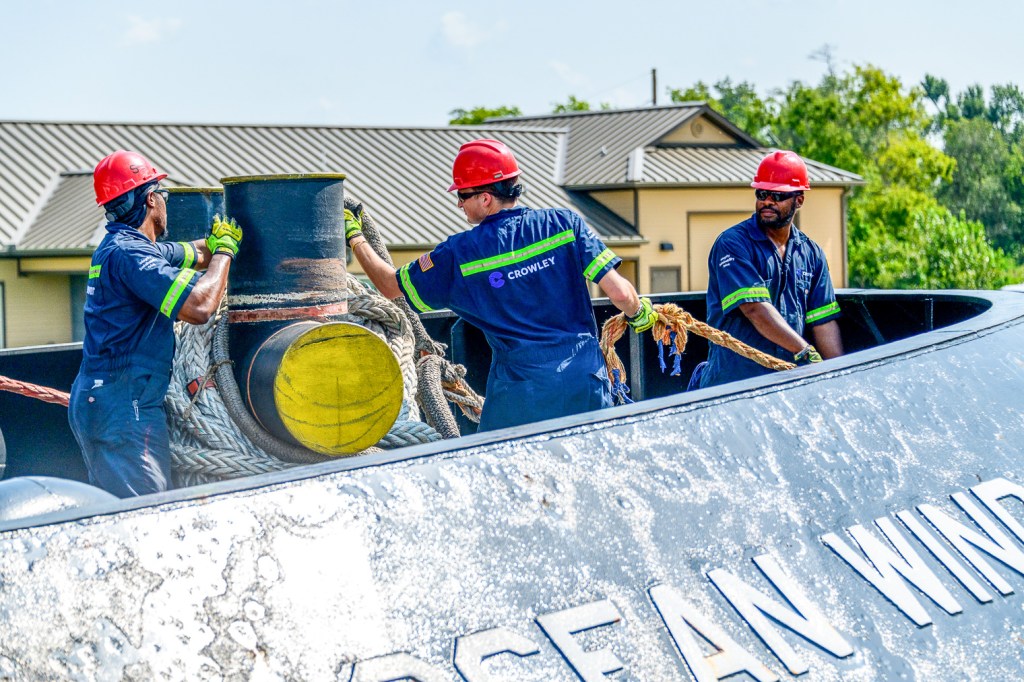
Behind every filled role is a person doing essential work. Across Crowley’s operations, about 2,000 shipboard employees at a time help keep vessels moving and supply chains operating. Recent progress has helped create more stability and jobs for mariners. For anyone thinking about a future in this field, the message is clear: maritime careers are still needed and still matter.
Maritime careers offer hands‑on work, clear career paths and strong earning potential. Just as importantly, this work supports everyday needs from moving food and fuel to keeping supply chains and communities running. As those needs continue, so does the demand for skilled mariners.
At Crowley, rotational schedules, modern vessels and safety‑first operations help mariners build long‑term careers while also giving them meaningful time off between assignments.


Shared Commitment
While we have made great strides, this is not a victory lap. It shows that collaboration works and that sustained effort can move even the most entrenched workforce challenges, but it depends on staying on course.
Progress on the mariner shortage has come from partnerships that expand career awareness, aligned policies that break unnecessary employment barriers, and entry points that make maritime careers more accessible to new audiences. Just as important, it reflects a shared commitment not to let our guard down and to keep adapting, as workforce needs will continue to evolve.
Crowley offers rewarding careers for professionals looking to join a company that prioritizes safety and innovation while providing competitive wages, opportunities to advance and the choice to join a high-performing team building a sustainable future.
OTHER STORIES THAT MAY INTEREST YOU: